I disagree - we know the grid used. So the scan will just go through and pull out the average color found within each pixel area in the grid array, then those colors are adjusted to the nearest 32bit version (as explained in parent). I've done this sort of thing to convert photos into "pointillist" style images.
The first pass might be off - I can imagine adjusting the grid size to skip the scan lines for more accuracy. But the final result will be very close with 5% of the work involved. The guy has spent a day and a half for a task that should take less than an hour at most.
I happen to have the premiere issue of Amiga World magazine and looking at the original printed image, I can tell you that the vertical scan lines are straight as an arrow, and line up perfectly with the (cropped) sides of the image.
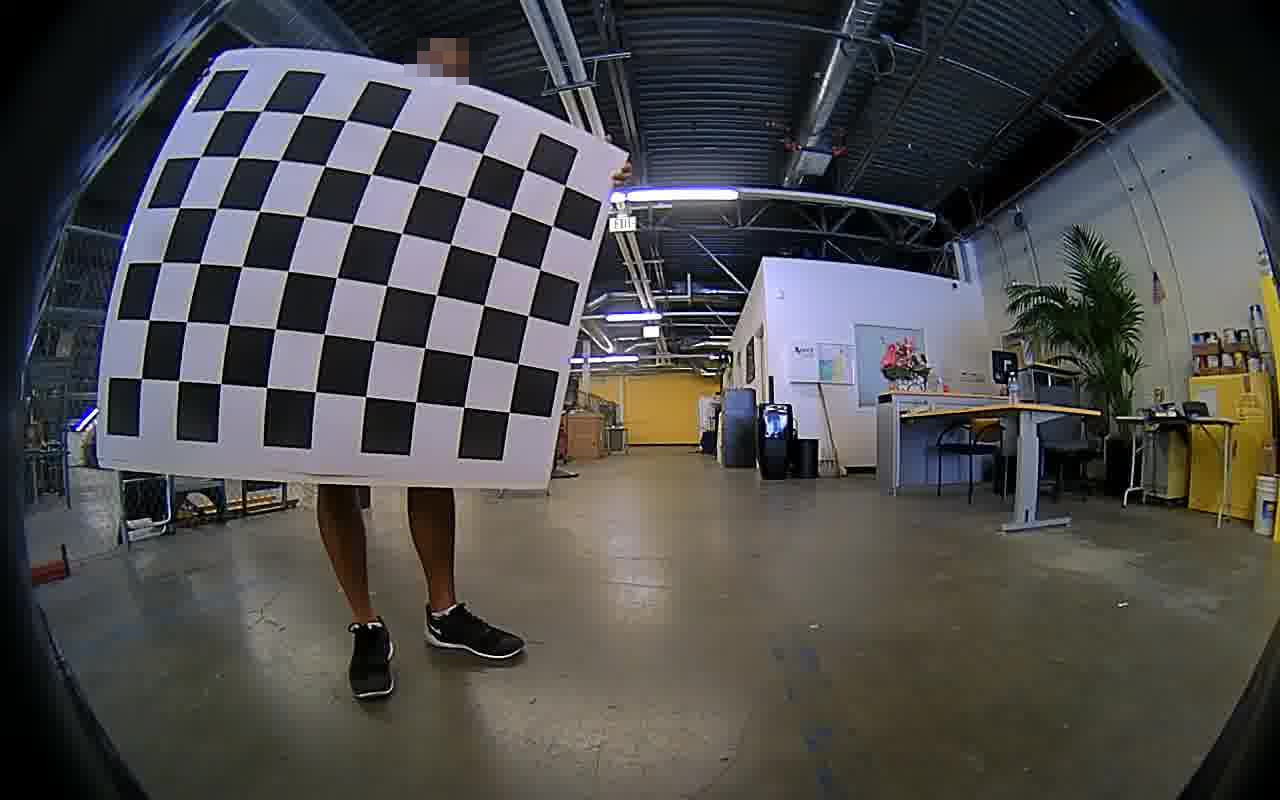
Even if they were distorted by a fisheye lens, it should be easy to use something like Photoshop's "pinch" filter to create an undistorted image to work from.



The first pass might be off - I can imagine adjusting the grid size to skip the scan lines for more accuracy. But the final result will be very close with 5% of the work involved. The guy has spent a day and a half for a task that should take less than an hour at most.